7 smart choices during your physical therapy studies that kickstart your career
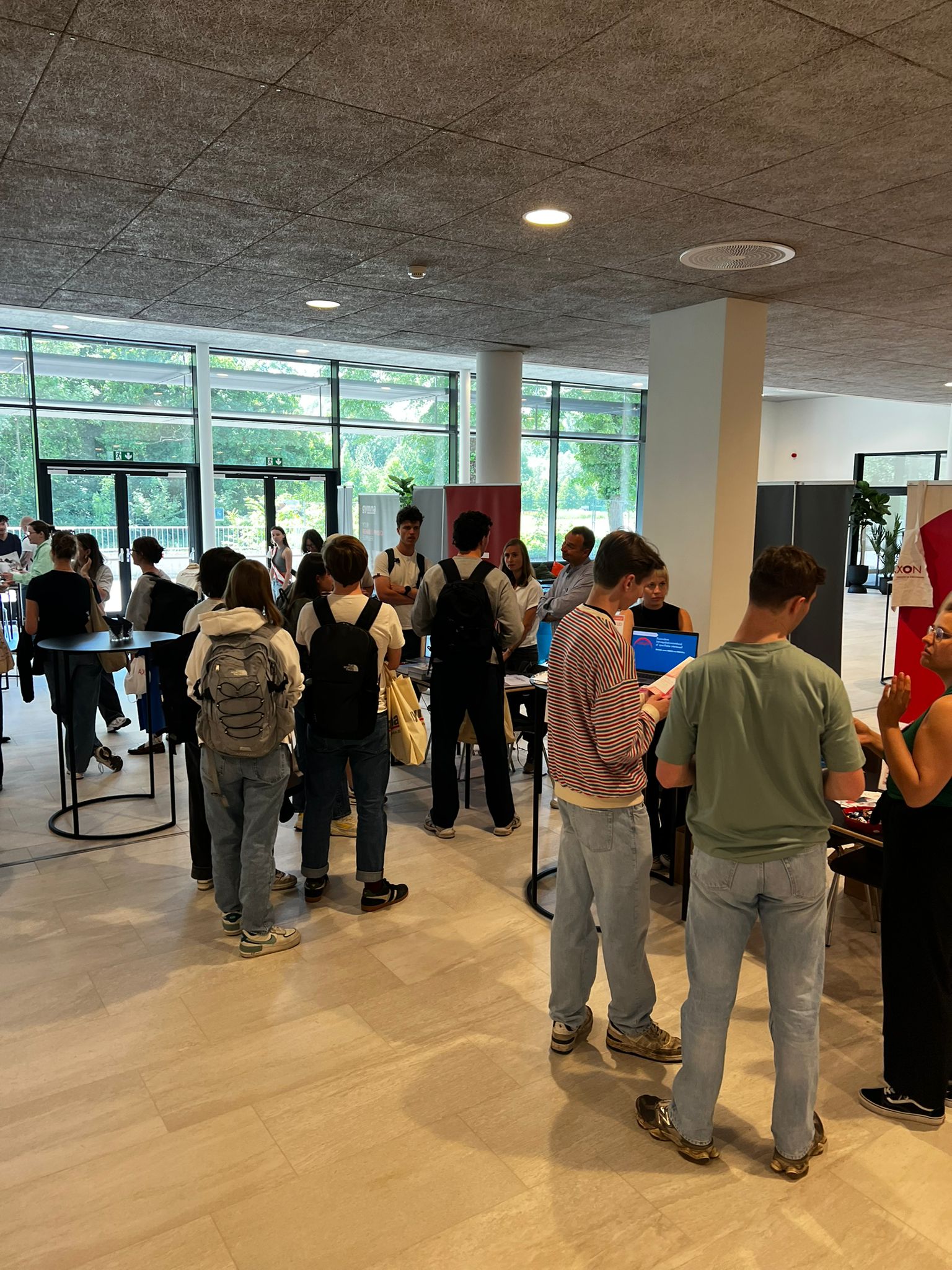
Choosing an internship, choosing a minor, looking for a side job... it's piling up. And it can be quite overwhelming at times. You hear something different from everyone. Teachers push for research, parents want you to do “something useful,” and your friends all do something different.
Here's the reality: the choices you're making now have a real impact. Not because you have to plan your whole life now, but because some decisions will simply give you more options later. And options are worth their weight in gold. As entrepreneurial physiotherapists, we know that better than anyone. Maybe you want to go abroad, supervise an Olympic team, start your own practice, or just grow up in a hospital. These seven choices will help you do that.
1. Choose your internship not by convenience, but by learning potential
Many students choose their internship at a well-known practice, close to home, or where a friend is doing an internship. I get it. But think differently.
An internship in primary care mainly teaches you how to work independently and direct patient contact. Super valuable. But a hospital internship? This gives you experience with complex cases, multidisciplinary work and often more technical treatments. Sports clubs teach you specialist treatments again and work under time pressure.
The point is: diversity in your internships makes you much more flexible. If you are looking for a job in the future, you will have experience in multiple environments. And if you want to go abroad, like Switzerland, then employers there are really impressed by broadly trained physios.
Our advice: do at least one internship that takes you out of your comfort zone. Not only because it looks good on your resume, but because it actually teaches you more than a safe choice.
2. Choose a minor that has market value
Your minor must be interesting, but also strategic. Sports physiotherapy is popular, but the market is full of them. Geriatrics, on the other hand? Shortage of specialists, growing demand due to an ageing population, and often better remuneration.
Look at specializations that are scarce: pelvic physiotherapy, neurology, oncology. These are fields where you have that extra step after your master's degree. According to the KNGF With these specializations, you can often claim higher rates and you have more job security.
Do you want to go more in the scientific direction? Then consider a minor in research or epidemiology. If you want to get a PhD or work in the academic world later, that gives you an advantage.
Also, take into account international opportunities. Some specializations are popular all over the world, others especially in the Netherlands. Think about where you see yourself in five years.
3. Your part-time job is not a pastime, but network gold
There are plenty of student jobs: restaurants, supermarkets, delivery. But why not choose something that matches your field of expertise?
Work as a gym attendant, become an assistant in a physiotherapy practice (administrative or practical), or help sports clubs with injury prevention. These types of jobs not only give you relevant work experience, but also, above all, contacts.
The network that you are building now will soon determine which doors open for you. A former employer you know and trust is more likely to refer you to a permanent job. And contacts from different sectors mean that you can find a good match more quickly later.
Plus, you earn money while you learn. Win-win.
4. Learn a second language, even if it doesn't seem urgent
You already speak English. But German? That really opens doors.
Switzerland, Austria, Germany: these countries have a huge shortage of physios and offer good working conditions. A basic level of German (B1-B2) is often enough to get started, and many employers offer language lessons as soon as you get there.
Even if you're thinking “I'll stay in the Netherlands anyway”: give yourself the option. The labor market is changing. What seems good now may be different in five years. By building some language base already, you keep options open. And often, there are free courses through your college or cheap online options like Duolingo.
Working in Switzerland means more salary, less red tape and often better work-life balance. But you won't get there without language.
5. Gain research and teaching experience
Not everyone wants to go academic. But beware: physios with research experience are becoming increasingly valuable.
Participate in a research project, help a lecturer collect data, or write an article for a professional journal. This shows that you can think critically and work evidence-based. Employers really appreciate that.
In addition, research literally opens doors to master programs, PhD programs and other career paths that you may not see right now. According to the Utrecht University there is a growing demand for physios who can also innovate and make policy.
The same goes for education. As a guest lecturer or student assistant, you'll develop communication skills that you always need. Whether you're educating patients, training colleagues or leading a team.
6. Learn the basics of entrepreneurship
You may want to have your own practice one day. Or maybe not. But basic knowledge of business operations is always useful.
Take a course in accounting, marketing, or financial management. Sound boring? Maybe. But if you know how to manage a budget, attract customers, or negotiate contracts, you're far beyond your peers.
You don't have to do an MBA. A number of workshops or online courses are often enough. And if you ever want to work freelance, become a self-employed person or take over a practice, you really need this.
Many physios still learn this afterwards, but why bother yourself? Start now.
7. Invest in your mental fitness from day one
The physio study is intense. Internships, blocks, practical exams, it doesn't stop. And that's when you start working.
Learn how to set limits, say no and find balance right now. This sounds vague, but it is very practical. Burnout is common in healthcare, even among young physios. By learning how to deal with stress now, you can prevent yourself from getting stuck in a few years.
This can be simple: exercise structurally, schedule moments of rest, talk to others about how they do it. Work is important, but you are more important.
Get help if you need it. And normalize that within your group of friends. You are all in the same boat.
Small choices, big impact
You don't have to do everything perfectly. But if you make a conscious choice now, you will build a foundation on which you can continue later.
Want more options? Invest in languages, specializations and networks. Do you want certainty? Opt for scarce specialisms and research experience. Do you want freedom? Learn how to do business and work on your mental resilience.
Ready to take the next step? Watch our vacancies and discover what international opportunities are available. Or take contact here to hear how we can help you with your career as a physio, including as a student.
The choices you make now determine where you will be in five years. Choose smartly.

Sign up on our platform and take the first step towards a job in Switzerland. Prefer to look around first? Browse the vacancies.
Sign up on our platform or book a free intro call. You will get an honest answer, even if Switzerland is not for you just yet.
Discover how takeoff connects you with motivated therapists from the Netherlands and Belgium.
Read more about Switzerland
Tips, tricks and more insights about living and working in this beautiful country
.jpg)