Are you unsure about your physiotherapy studies? 9 career paths you may not know about

You have almost completed your physiotherapy degree, or you have just graduated. And yet you feel that something is wrong. Maybe a Dutch primary care practice just isn't what you're looking for. Or you're wondering if there's more.
Good news: there is much more.
Your physio diploma is not a one-way ticket. It is a starting point. What you have learned during your training goes beyond treatment techniques. You are trained in communication, empathy, and switching between different people. A new patient every 30 minutes, a different story every time. These skills are valuable, even outside the treatment room.
Here are nine alternatives to traditional primary physical therapy that you may not have on your radar yet.
1. Working abroad
Your physio degree is internationally recognised. This means that you can work in many countries. Think Scandinavia, the United Kingdom, Switzerland or further afield such as Australia or Canada. Each country has its own benefits.
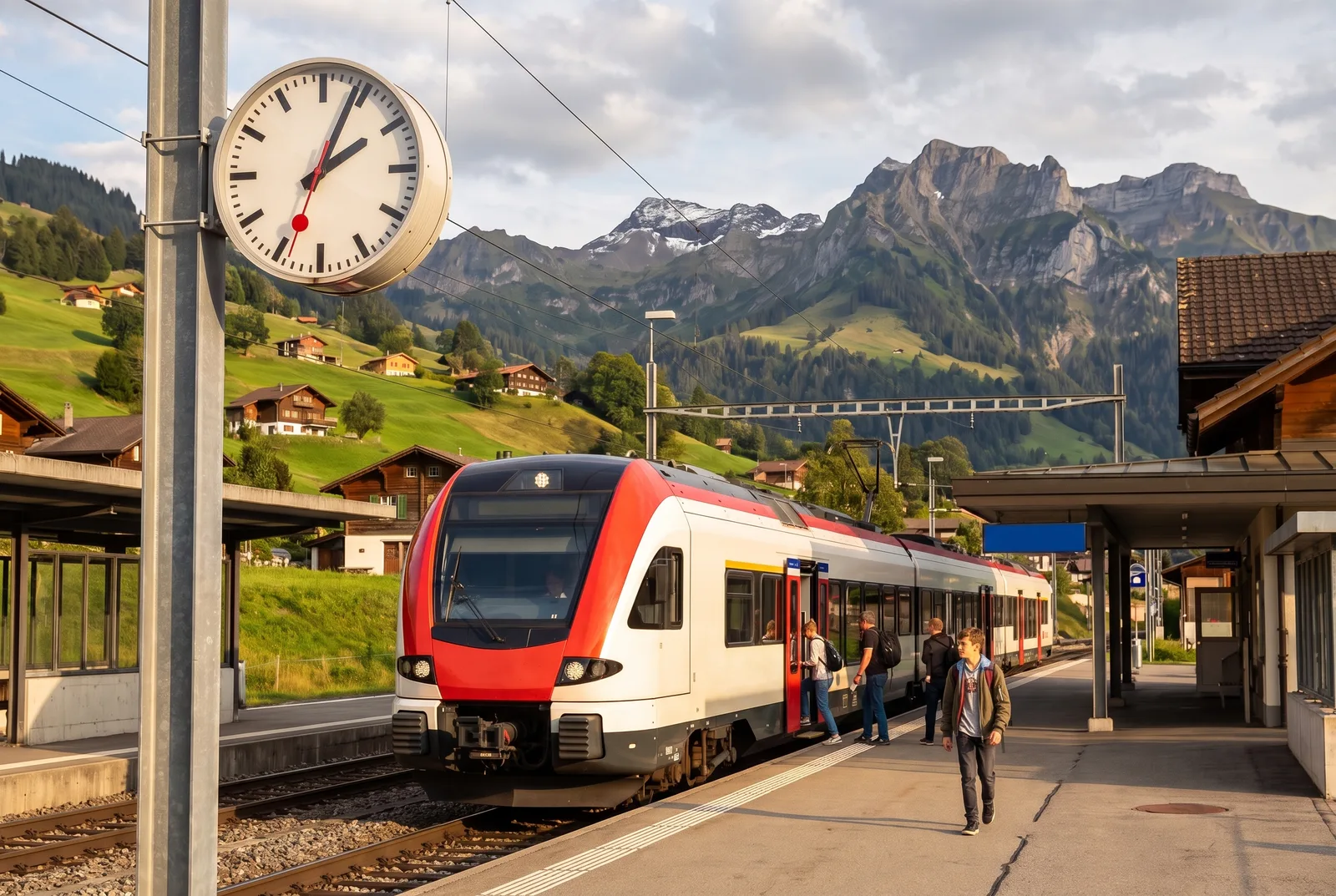
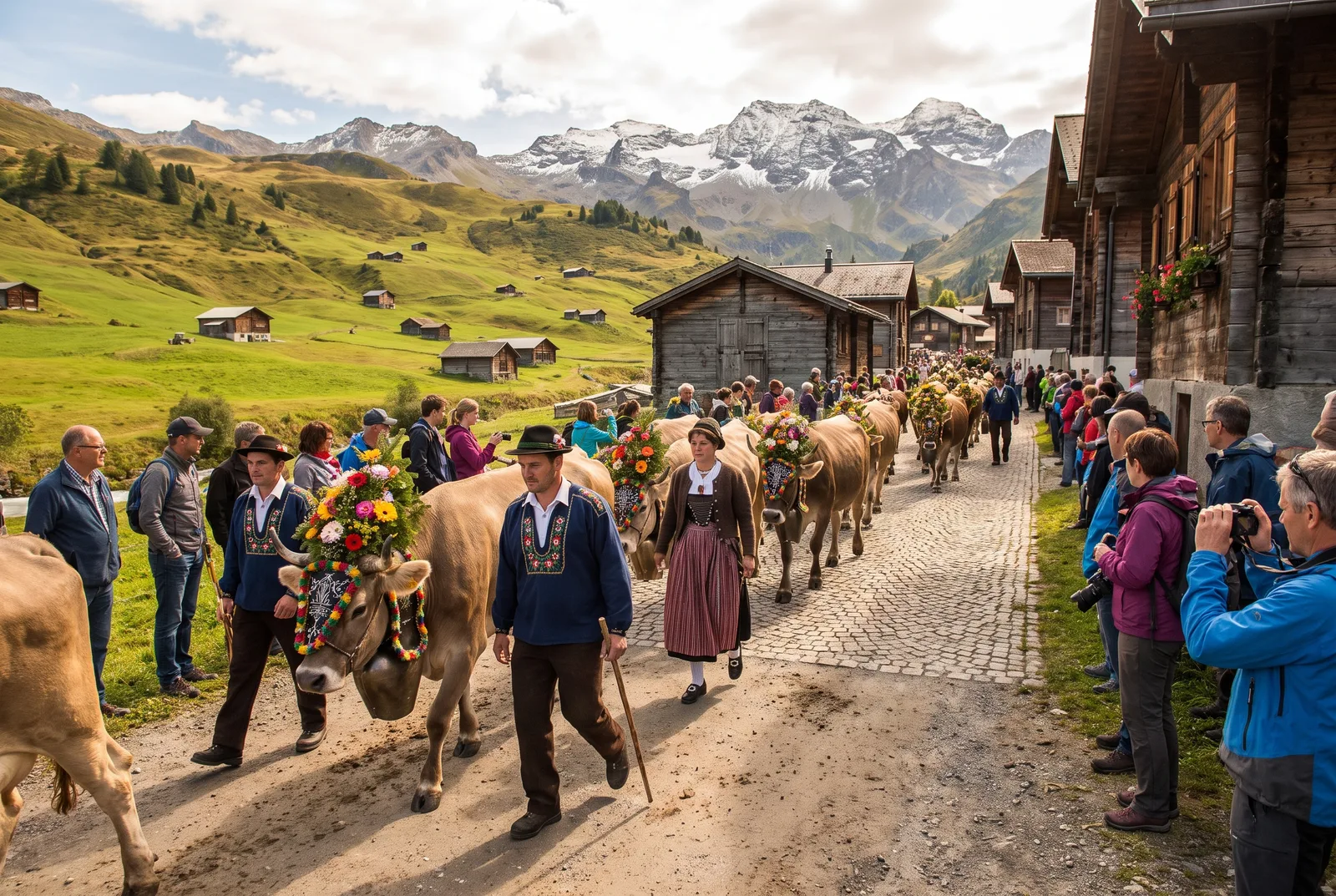
Of course, Switzerland (we say not entirely unbiased) stands out. The salary there is considerably higher than in the Netherlands, about double. You have more time per patient and less red tape. The work is better organized. You live in a country with mountains, lakes and a high quality of life. And hundreds of Dutch physios are already working there, so you have an immediate network.
The switch feels big, but it's easier than you think. Especially if you get guidance with paperwork, housing, and language learning. Want to know more? Find out how working in Switzerland works.
2. Sports physiotherapy: working with athletes
Working with athletes, injury prevention, and helping people achieve their sporting goals. You not only treat injuries, but you also work on optimal performance. Think of football clubs, athletic clubs, or individual top athletes.
It requires extra education, but if you love sports, this is a logical direction. You combine physical therapy with performance coaching and are often part of a team. You attend competitions and training sessions and work closely with trainers and coaches.
3. Rehabilitation in clinics
In rehabilitation clinics, you work with people who have to learn to move again after an operation, accident or serious illness. Your patients often stay for several weeks and receive multiple therapy sessions daily. You work intensively with doctors, occupational therapists, psychologists and nurses.
You have more time per patient and you see real progress over a longer period of time. The cases are more complex and you work according to treatment protocols. In a country like Switzerland, these clinics are often modernly equipped with all facilities, from exercise pools to extensive training rooms.
4. Hospital physiotherapy
In the hospital, you work with patients who need acute care. You treat people before and after surgeries, help with breathing problems, and supervise patients who have just received a new hip or knee. You are part of a medical team and consult with specialists on a daily basis.
The cases are more complex and you work in shifts. If you like variety and can switch quickly, this is probably a great fit for you. The salary is usually higher.
5. Geriatric physiotherapy
Ageing means growing demand for specialized care for the elderly. You can work in nursing homes as a permanent team member, in rehabilitation wards for the elderly, or you can specialize in home care.
You focus on fall prevention, maintaining mobility, and helping to deal with chronic conditions. You often work with people who have dementia, Parkinson's or other age-related disorders. It requires a different approach, but is very satisfying.
6. Occupational physiotherapy
As a corporate physiotherapist, you help companies keep their employees healthy. You conduct workplace surveys, provide training on ergonomics, treat people with RSI or back problems, and contribute ideas about prevention policies.
You negotiate with HR departments, write quotes, and often work at different companies. You are both a therapist and a counselor. If, in addition to treatment, you are also interested in the business side, this is a good option.
7. Research and teaching
After your bachelor's degree, you can move on to a master's degree in physiotherapy science. You dive into research, develop new treatment methods, evaluate the effectiveness of therapies, or teach new students.
In particular, this path requires a different mindset. You contribute to the knowledge and development of the field. The salary is lower than that of a physio in Switzerland, but the freedom, variety and intellectual challenge make up for it.
8. Combination jobs
Many people choose to do two or three days of physical therapy and something else for the rest of the week. This way, you keep your clinical skills up to date, but you also get space for other interests.
Think of combining physio with tutoring, writing, or a completely different sector. It gives you financial security from your physical work and freedom. Part-time physio is financially attractive, especially in Switzerland, where the salary is higher.
9. Using physical skills outside healthcare
Your physical education has given you skills that go beyond treatment. You are trained in communication, empathic thinking, and working with different people. You'll learn to work hard, switch every 30 minutes, adjust your communication, and make people feel comfortable.
These skills are also very valuable in sales, recruitment, account management and customer service occupations. Companies are looking for people who are good listeners, empathizes, and build trust quickly. Your physio background really gives you an advantage here!
You can choose to first gain a few years of experience as a physio and then switch. Or you can use your physio experience as a springboard to a commercial role in healthcare, such as medical sales or implementation management. In that case, your physio background is certainly seen as a unique asset.
Choose what's right for you
Your physio diploma is not an end point. It is a basis. Whether you want to work abroad, specialize, or want to go in a different direction, the options are there.
Don't doubt your choice of physical therapy. Doubt the idea that there is only one route. Check out our vacancies and discover what's possible in Switzerland. Or just get started. Gain experience, discover what gives you energy, and see where it takes you.
Dutch practice is an option. But it is not the only one.

Sign up on our platform and take the first step towards a job in Switzerland. Prefer to look around first? Browse the vacancies.
Sign up on our platform or book a free intro call. You will get an honest answer, even if Switzerland is not for you just yet.
Discover how takeoff connects you with motivated therapists from the Netherlands and Belgium.
Read more about Switzerland
Tips, tricks and more insights about living and working in this beautiful country
.jpg)