Why 1 in 5 physios in the Netherlands chooses a different path than the primary care (and why that's okay)

“Shouldn't more be possible?”
But if you've just graduated or are in your final year, you may still feel that something is not right. You have your diploma, your BIG registration is ready, the labor market is crying out for physios. And yet... Dutch primary care does not feel like your future.
You are not alone. You are part of a growing group of young therapists who are struggling with the same question.
The numbers tell a story
In 2024 2,000 physiotherapists quit their profession. That may sound abstract, until you realize that many of them were just getting started.
The number of students fell by 15% between 2020 and 2024, while demand is actually rising due to an ageing population. And more than half of the practitioners considered quitting. For 17% of them, that has already become a reality.
The Dutch Health Authority concluded in June 2025 that no acute problems in the short term are with access to physical therapy. But they do warn of medium-term risks if nothing changes.
This isn't a temporary dip. There is something structural wrong.
Why Dutch primary physical therapy doesn't work for everyone
1. The salary is disproportionate
First-line starters earn average €3,525 gross per month. For a four-year college course, that is modest. In comparison: 35% less than colleagues in the hospital.
The problem lies mainly in the absence of a collective agreement. No collective agreement means negotiating your own salary, vacation, pension and refresher courses. Employers can almost decide for themselves what you earn, which leads to major differences between practices.
2. The workload is too high
Contract: 40 hours per week. Reality: average 43.8 hours. Those extra hours? Often unpaid. Administration, reporting, consultation with other disciplines: all time without a patient on the couch, but it has to be done.
You see an average of 12-16 patients per day, which doesn't sound extreme until you realize that you have to prepare, document and often switch between an athlete with a hamstring injury and an elderly person with osteoporosis before each consultation. That mental change takes energy.
3. More administration than treatment
Health insurers are increasingly demanding accountability. Every treatment must be documented, each choice must be substantiated. Many physiotherapists who have worked in the Netherlands tell us: “You're actually being stopped from all sides to really help people.”
Handle Index, quality records, declaration codes: it sometimes feels like you're more of an accountant than a therapist. While you started studying physical therapy to help people move, not to fill out Excel sheets.
4. Little time, no certainty
In the Netherlands, you often only have 20-30 minutes per patient, including dressing and undressing. Not enough time to provide truly quality care.
On top of that: no collective agreement means negotiating your own salary, vacation, pension, refresher courses and insurance. Many starters have to finance their own pension and pay for refresher courses out of their own pockets. That quickly rises to hundreds of euros per month, leaving little room for other expenses.
There are other roads
Not fitting into the Dutch primary care does not mean that you are not a good physiotherapist. It means that the system does not suit you. And that's fine.
Option 1: Switzerland
In Switzerland, physical therapists are paid what they are worth.
Starters earn €6,000-€6,500 gross per month. That's €70,000 a year, plus a thirteenth month. With 10 years of experience, you can count on around €85,000. Yes, Switzerland is more expensive. But if you manage your money normally, you can easily save €1,300-€2,000 a month.
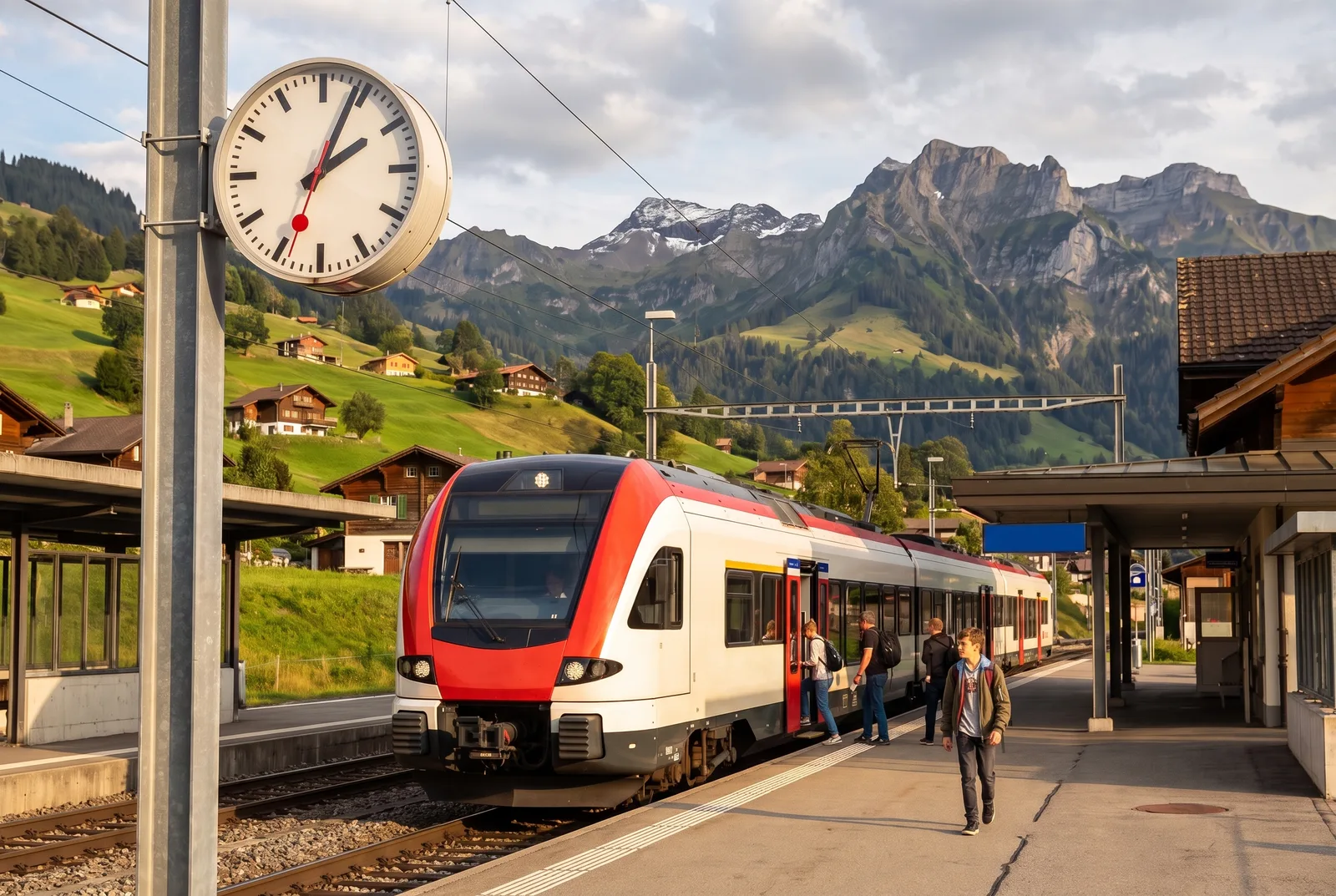
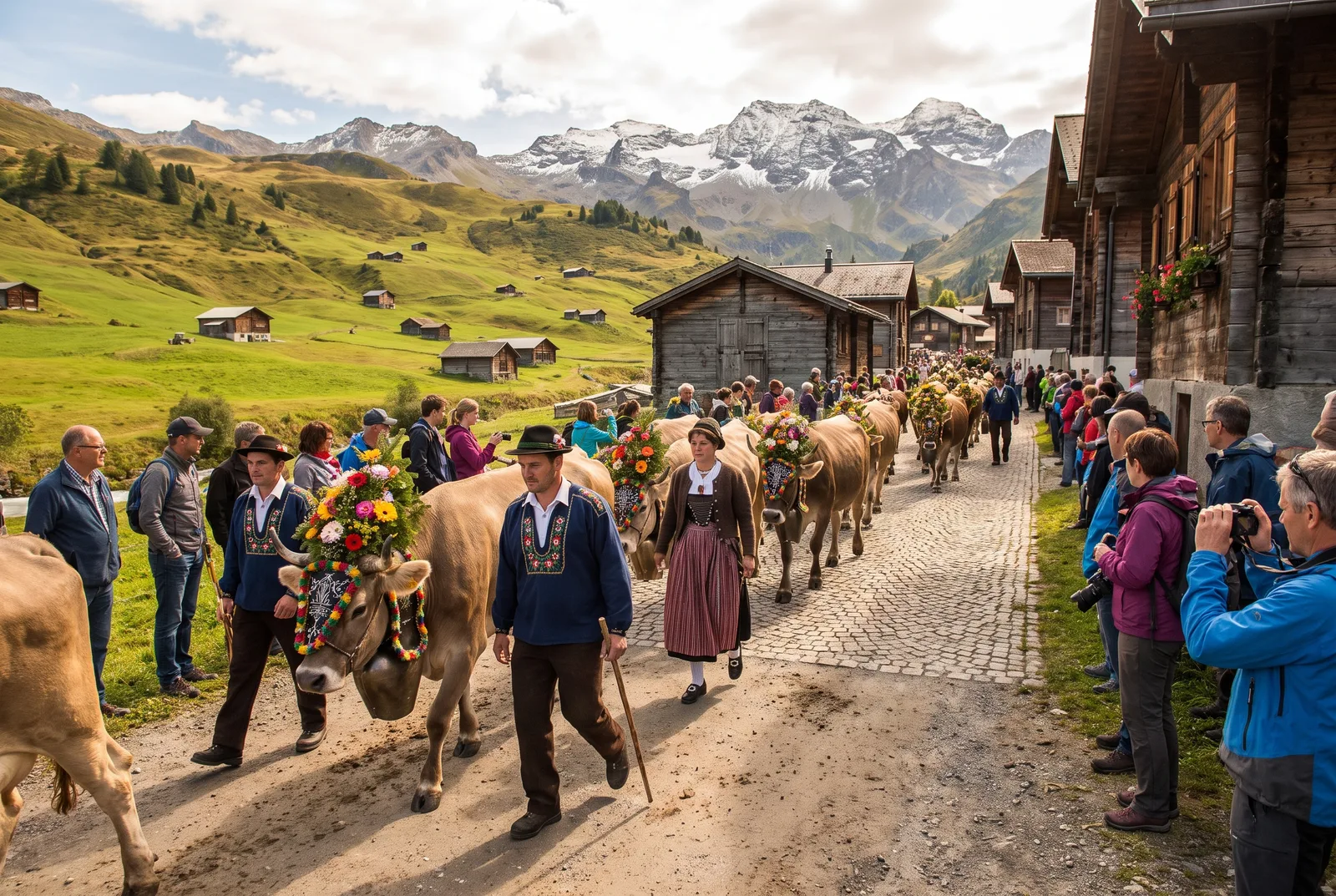
But it's not just about the money. In Switzerland, you work without a Treatment Index and with far fewer administrative obligations. You have more time per patient, less paperwork, and you feel valued for your work. And from our own experience, we know how beautiful the lakes and mountains are here, but that aside!
Curious? See how to finds work in Switzerland or read about how emigrate works.
Option 2: Specialize
Maybe Switzerland doesn't suit you, but you want to keep treating. Then consider specializing:
- Sports physiotherapy — work with athletes and sports teams
- Pediatric physiotherapy — focus on child development
- Geriatrics physiotherapy — specialize in elderly care
- Oncology physiotherapy — supervise cancer patients
- Pelvic physiotherapy — growing specialization with a lot of demand
The demand for specialized physios grows. Specializations often mean better employment conditions and more satisfaction, because you really become an expert.
Option 3: Secondary care
Physical therapists in hospitals and rehabilitation centers earn 35% more. And you do have a collective agreement: guaranteed pension accrual, clear salary scales, paid refresher courses and a better work-life balance.
You work in an institutional setting instead of your own practice. But if you value security and structure, this can be an excellent choice.
Conclusion: Choose what's right for you
The subject of physical therapy is valuable. Patients rate physios with an average of 8.5 to 9.5. The work is meaningful. But the system in the Dutch primary care system does not work for everyone.
Politicians are aware of the situation. In June 2025, the House of Representatives discussed the high outflow and low fees. Market research is being carried out and hopefully concrete steps will follow to make the profession more attractive. Physical therapists deserve better, literally and figuratively.
Physical therapy is a wonderful profession. You help people move, relieve pain and see immediate results. Patient appreciation is high, work is varied and the demand for physiotherapists is growing. On paper, it should be perfect.
But you don't have to wait for the system to change. You already have options. Maybe Switzerland is your adventure, where you earn three times more and have less administration. This is also possible for one or two years, which many people do through us. Because even if you go for a short period of time, you can give yourself more options when you come back. More work experience, more self-knowledge, and paid off student debt.
Or maybe you'll specialize and become an expert. Or maybe you opt for the security of secondary care.
You studied to help people move, relieve pain, and improve lives. Not to survive in an underpaid system. Choose what's right for you. That is not a failure. That's listening to yourself.
Ready to explore your options? Start your adventure with takeoff and see what's possible.

Sign up on our platform and take the first step towards a job in Switzerland. Prefer to look around first? Browse the vacancies.
Sign up on our platform or book a free intro call. You will get an honest answer, even if Switzerland is not for you just yet.
Discover how takeoff connects you with motivated therapists from the Netherlands and Belgium.
Read more about Switzerland
Tips, tricks and more insights about living and working in this beautiful country
.jpg)