High workload physiotherapy: the hidden crisis in the Netherlands (and what you can do)
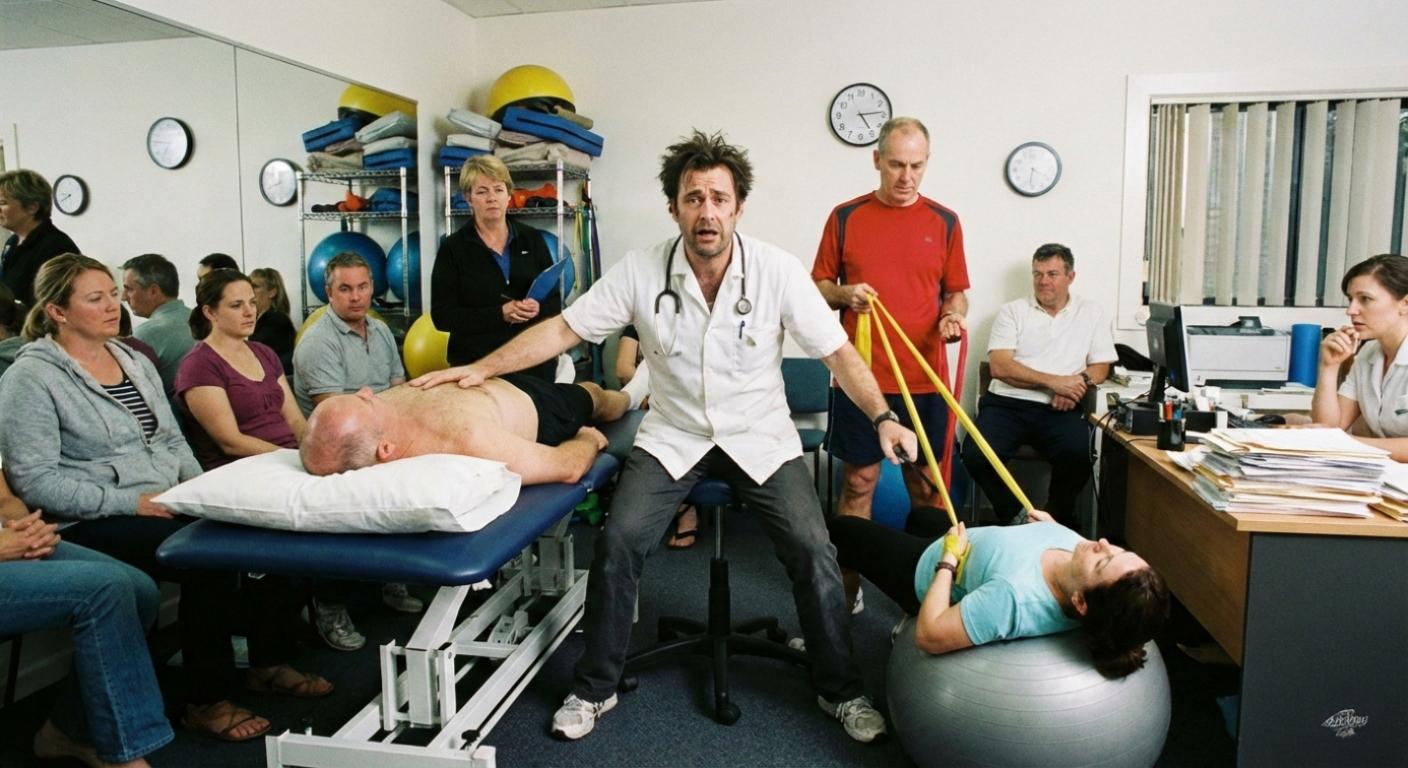
You know it. Another day of treatments, then updating the administration, and in the meantime, a colleague asks if you can step in tomorrow. As a physical therapist, you care for others all day long. But when do you actually take care of yourself?
Out of the research Employment conditions 2024 The FDV Physical Union shows that 56% of primary care physiotherapists experience too much workload. Nearly 70% seriously considered leaving the front line last year. And 40% score at stress levels above 76 out of 100, a level associated with burnout. In comparison, in other SME sectors, this figure is 21%.
Recognisable? You are not alone.
Where does that workload come from?
The workload in primary physical therapy is excessively high. This has several reasons.
- Administration eats up your time. In addition to a full-time working week, on average, you still need an entire working day for patient records, claims and contracts with health insurers. Time you'd rather spend with your patients. The Physiotherapy and Science Association concluded that the maintenance of patient records, declarations and contracting are the largest administrative burden.
- Unpaid hours are piling up. With a variable salary, you work an average of 5 hours per week unpaid. With a fixed salary, that is still 3 hours. Consultation, refresher courses, extra administration. It's all part of it, but it's not on your paycheck.
- Your salary is lagging behind. In primary care, you earn up to 61% less than colleagues in hospitals or rehabilitation centers. A physio with a collective agreement sometimes earns up to €1,000 more per month. You often pay for refresher courses yourself; pension accrual is minimal. In 2024, 2,000 physical therapists quit the profession. And the number of students applying for the program has been declining for four years in a row.
- Demand is growing, supply is shrinking. Due to an aging population, the demand for physical therapy is increasing. At the same time, more and more physical therapists are leaving the profession. It KNGF warns: without intervention, we are heading for shortages that can no longer be made up.
What can politics do?
There are solutions. But they require action from the government and health insurers.
- Raise rates. Over the past two decades, physiotherapy rates have not grown along with the price index and wage developments. The business model of practitioners is under pressure. With higher rates, practices can pay their staff properly, invest in innovation and contribute to the shift to primary care that the government itself is promoting. Health insurers are now competing on rates, making physical therapists and patients the brunt. A minimum rate in a national collective agreement would put an end to that.
- Reduce administrative burdens. Physical therapists want to spend their time with patients, not endless forms. The Paramedic Administrative Burden Working Group has been working on this for years, but progress has been slow. Simpler declaration systems, fewer accountability requirements and better software would make an immediate difference.
- A strong collective labor agreement for the front line. A collective labor agreement for primary physical therapy was concluded in 2023, a step in the right direction. But salaries are still far below those of colleagues in hospitals and rehabilitation centers. The collective labor agreement must continue to grow to a level that is comparable to other healthcare agreements. With fair salaries, good pension accrual and clear agreements about workload.
- Investing in the profession. The number of students opting for physical therapy is declining. To keep the profession attractive, investments must be made in good employment conditions, career opportunities and appreciation for the profession. Otherwise, young people simply choose a different direction.
The problem is well known, the solutions are on the table. But political change takes years. Years of lobbying, negotiations, implementation. And you're dealing with that workload right now.
What options do you have?
Waiting for politicians to act is one option. But you also have other options. The workload is mainly in primary care practice. Beyond that, there are career paths where the balance is different.
Switch to the second or third line
In hospitals and rehabilitation centers, you work under a collective labor agreement with better employment conditions. Your salary is higher, you accrue pension and you often have more time per patient. The cases are more complex and you work in a multidisciplinary team. It requires a different way of working, but that's where many physios find their pleasure.
Specialize
Sports physiotherapy, geriatrics, pediatric physiotherapy, pelvic physiotherapy. With a specialization, you can focus on a target group that suits you. Sometimes that also means different working conditions. Working at a sports club, for example, or in a nursing home as a permanent team member.
Combination jobs
Many physical therapists choose to work in the practice for two or three days and do something else for the rest of the week. This provides financial security and space for other interests. Education, research, or something completely different.
Using your skills outside of healthcare
Your physical education taught you more than treatment techniques. You are trained in communication, empathy and switching between different people. These skills are also valuable in sales, recruitment or account management. Companies are looking for people who are good listeners and who build trust quickly.
Working abroad
Your degree is internationally recognised. In countries like Switzerland, the salary is considerably higher (about twice as much), you have more time per patient and less administration. You work without a Treatment Index and get five weeks of vacation. Curious about what that means in concrete terms? Check out our article about the salary in Switzerland. The switch feels big, but it's easier than you think. Especially if you receive guidance with paperwork, housing and the language.
It may also be about you
You studied for four years to help people move. You work hard, often more than you get paid for. It's okay to ask yourself: when can I expect something in return?
Whether you choose to stay and fight for improvement, switch to a different setting, or expand your horizons abroad. All choices are fine. What doesn't work is keep running until you fall over.
Wondering what an adventure in Switzerland looks like? Check out our emigration checklist or take contact contact us for an informal conversation. We have also taken that step ourselves and know exactly what is involved.

Sign up on our platform and take the first step towards a job in Switzerland. Prefer to look around first? Browse the vacancies.
Sign up on our platform or book a free intro call. You will get an honest answer, even if Switzerland is not for you just yet.
Discover how takeoff connects you with motivated therapists from the Netherlands and Belgium.
Read more about Switzerland
Tips, tricks and more insights about living and working in this beautiful country
.jpg)